Local government in South Africa

CoalitionsTracker

Data, news and analysis on South Africa's local government coalitions: who governs each council, which parties work together, who holds key positions and how stable these partnerships are.

Councils with no majorityFewerMore
South Africa · 139 of 213 councils have no majority65%
70municipalities governed by coalitions after the 2021 local government elections
27 → 70local coalitions after the 2016 and 2021 elections
10parties in the national government formed on 29 May 2024
3provincial coalitions since 2024: Gauteng, KwaZulu-Natal, Northern Cape
Overview

Coalitions in South Africa

All explainers→

After each local election

Coalition councils
200029
200631
201137
201627
202170

Most common partnerships

More charts →

Councils where two parties govern together

  1. ActionSAANC1
  2. ActionSAPA1
  3. ANCDA1
  4. ANCPA1
  5. DAFF+1
  6. ICOSAKIP1
  7. ICOSAPA1
Explainer 1 of 5

What is a coalition government?

A coalition government forms when no single party wins more than half the seats in a council or legislature, so two or more parties agree to work together to elect a government and pass its decisions. In South Africa's municipalities, that means agreeing on a mayor, a speaker and the council's budget.

Read the full explainer→

Explainer 2 of 5

History of coalitions in South Africa

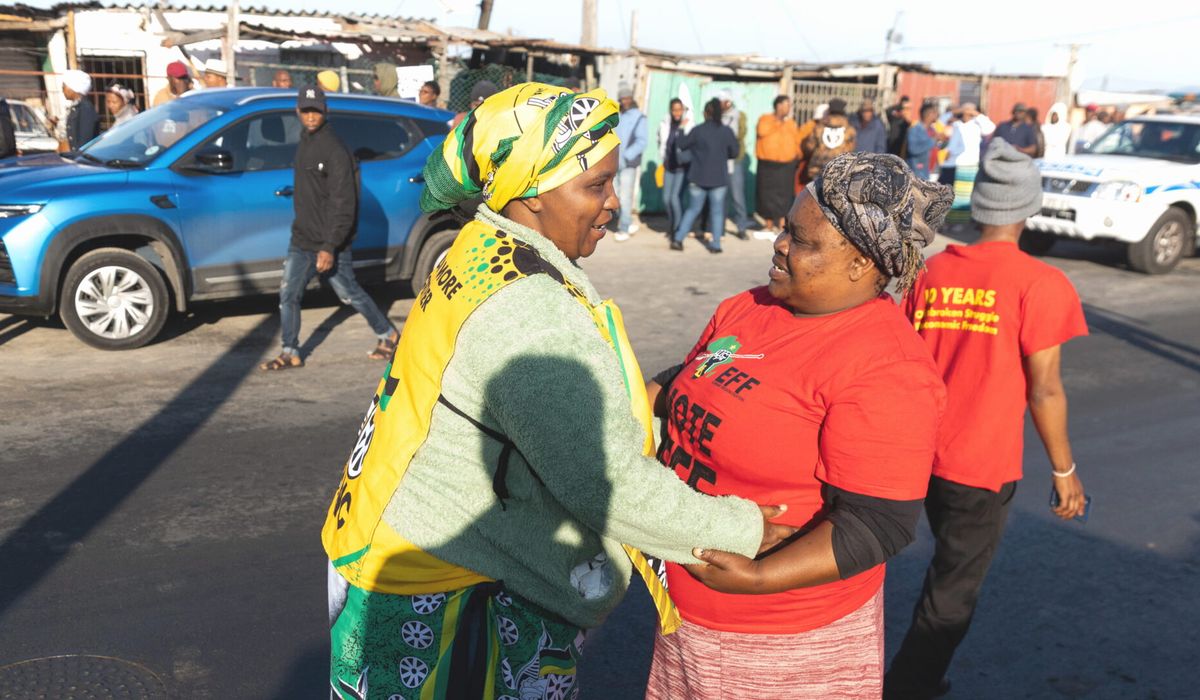
Coalitions are not new in South Africa. The first democratic government in 1994 was a Government of National Unity, provinces such as the Western Cape and KwaZulu-Natal have had coalition governments, and hung councils have existed since the first local elections in 2000. They became a national talking point after 2016, when several big metros were left without a majority.

Read the full explainer→
1 / 5
Municipalities

Recently updated

All municipalities→
MunicipalityProvinceLargestLeads
Analysis & Insights

The story behind the data

All analysis→
News feed

Latest from the councils

All news→